7 Ways Children’s Visits Transform Older Adults’ Health According to Research
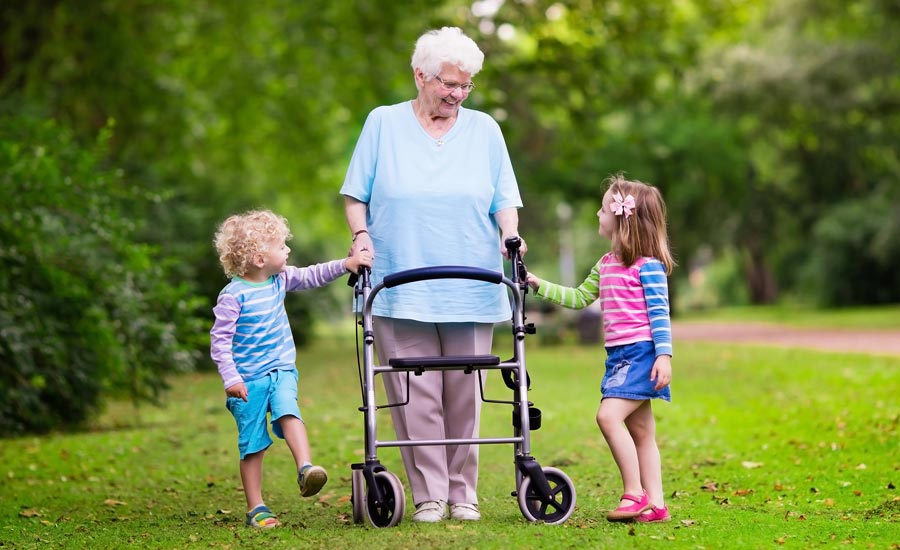
Children’s visits to care homes are often seen as a lovely gesture, a nice thing to do for residents. But now there’s a growing body of research showing that these intergenerational visits can do much more than lift the mood for an afternoon.
Studies have documented measurable improvements in older adults’ physical and mental health resulting from regular contact with children.
Keep reading to learn more about what the evidence shows.
Why are Children’s Visits Good for Older Adults in Care Homes?
Regular visits from children benefit older adults in several ways, including reduced loneliness, improved mood, sharper memory and cognition, lower blood pressure, increased physical activity, a stronger sense of purpose and reduced symptoms of depression.
In More Detail:
7 Benefits of Intergenerational Visits in Care Homes
1. Loneliness reduces
Loneliness is one of the most serious health risks facing older adults in care homes. A major meta-analysis by Holt-Lunstad and colleagues found it is linked to a 26% increased risk of early death. Regular contact with children has been shown to reduce self-reported loneliness among older adults, with the strongest effects among residents who receive limited family visits. But weekly, consistent visits produce better outcomes than occasional ones.
2. Lasting Effects on Mood
A 2019 study found that older adults taking part in intergenerational programmes reported higher levels of positive emotion for several hours after visits ended. The effect also grew stronger over time, meaning the more regular the contact, the greater the benefit.
3. Memory gets a genuine workout
Talking to a child is more cognitively demanding than it might seem.
Residents have to retrieve memories, find the right words and explain things to someone with no shared experience or context. Research from Stanford’s Centre on Longevity links regular intergenerational activity to measurable improvements in:
- Verbal fluency
- Short-term recall
- Executive function, including planning and decision-making
For residents living with early-stage dementia, this kind of stimulation can be particularly valuable.
4. Blood pressure lowers
Older adults with regular social activity, including intergenerational contact, have lower resting blood pressure than those with limited interaction. Relaxed, low-pressure social connection reduces cortisol and increases oxytocin and blood pressure responds accordingly.
5. Physical movement increases
Children don’t sit still for long and older adults will tend to move with them. And children love to be outdoors, which also has many advantages for older adults living in care homes. For residents who spend long hours seated, even small increases in daily movement have been shown to have health benefits.
Studies observing intergenerational sessions have found that older participants:
- Stand up and change position more often
- Walk short distances they would usually avoid
- Use their hands more during games, crafts and conversation
- Join in light activity that they wouldn’t seek out on their own
6. Sense of purpose strengthens
Psychologist Erik Erikson described generativity as a core human need (the drive to feel useful to younger generations). When a resident has a consistent role during visits, reading to a child, teaching them a card game or being the person they head straight for when they walk in, that need is met directly. Studies linking a strong sense of purpose to better health outcomes in later life are well established, with findings covering reduced cognitive decline and longer life expectancy.
7. Easing depression symptoms
A 2021 systematic review in Ageing Research Reviews looked at 24 studies on intergenerational programmes and found consistent reductions in depressive symptoms among older participants. The researchers noted that children’s natural curiosity and ease around older adults seemed to be a specific contributing factor, offering residents a form of social interaction that differs from most of what they experience day-to-day.
What Children’s Care Home Visits Can’t Do
Children’s visits are not a substitute for medical care or treatment for conditions like dementia or clinical depression. And, in fact, some residents might find young children tiring or overstimulating and care homes should respect those preferences.
For residents who do welcome the contact, though, the research is consistent.
Regular intergenerational visits deliver health benefits that care homes would otherwise need considerably more resources to replicate.
The Difference a Regular Visit From Children Makes
While one-off visits offer some benefit, regular, structured contact from children visiting care homes delivers much more.
If you’re looking at care homes for a loved one, it’s worth asking whether children’s visits are regular or only at Christmas and Easter.
A premium care home that builds intergenerational contact into its routine tends to offer a richer, more stimulating environment for residents. And, as you can see, the research backs it up.
Ready to explore...