The Importance of Dignity and Independence in Care Home Living
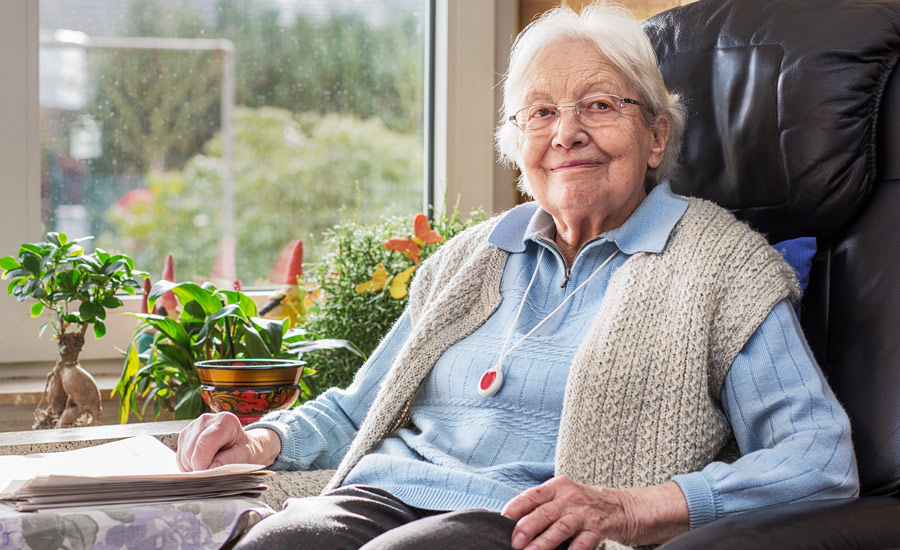
Moving into a care home is often misunderstood as a loss of independence.
For many, it feels like a step away from the control and personal choice of their previous life. But, in reality, high-quality care home living prioritises preserving dignity and supporting independence at every stage of later life.
This article explores why dignity and independence are central to premium care home living and asks whether residents can continue to live independently while receiving the support they need.
Can Residents Stay Independent Even When They Need Support?
In most cases, yes. Living in a care home does not automatically mean losing independence, with many residents still making their own choices and keeping familiar routines, using support only where it’s genuinely needed to make daily life easier.
What Dignity and Independence Mean in Care Home Living
In a care home, dignity comes down to how staff treat residents in everyday situations.
For instance, carers will take time to explain what’s happening, ask before stepping in and make sure residents feel comfortable rather than hurried.
Many residents have long-held habits or preferences that bring comfort, and holding on to them can make life feel more familiar. This might show as a resident who prefers a certain order to their morning, enjoys choosing how they spend their afternoon or wants time to decide how much support they need before accepting help.
As cases change, the type of support will pivot, but there is usually room to keep personal routines and choices active, allowing residents to stay in control of their own day, even when they need regular assistance.
Personal Choice in Daily Routines
Residents settle more easily when their habits are recognised. Before moving into the care home, staff ask about preferred wake-up times, how a resident would like support offered and any routines they would like to keep. Staff use this information to organise routines in ways that suit the resident, not the other way around.
Making Decisions Throughout the Day
Another tactic for maintaining independence in a care home is encouraging residents to make decisions as situations arise. That could mean pausing care for a moment, choosing where they’d like to sit or deciding whether they want company or quiet, which lets residents feel involved rather than managed.
Adjusting Support to Suit the Resident
Staff check in regularly because needs and preferences can shift quickly. For example, if a resident wants more time or less involvement on a given day, support will be adjusted, keeping care as flexible as possible and preventing routines from becoming rigid.
Promoting Independence Through Person-Centred Care
Independence looks different for every resident. For one, it might mean getting dressed without assistance. For another, it’s choosing what time to start their day or how they’d like support to be offered. Person-centred care makes space for these individual differences, allowing independence to continue.
The process starts with staff observing how a resident likes to carry out tasks, how confident they seem with movement and where they might hesitate or need more time. This information is used to identify which parts of a routine can be supported without removing the resident’s role in it.
Support isn’t applied automatically and if a resident begins a task independently, staff should allow them to continue alone, only filling in the gaps if it becomes unsafe or uncomfortable. This approach avoids creating unnecessary dependency.
Consistency matters too. A resident’s preferred chair, walking aid or setup in their room isn’t moved or rearranged without reason. And predictable environments support safe, independent movement because changing small details without consultation, like removing a mobility aid ‘to tidy up’, can limit a resident’s ability to act without help.
Some residents want clear step-by-step guidance and carers learn these preferences through direct interaction rather than assumption. That learning takes time, but it leads to care that fits the individual rather than asking the individual to fit the routine.
Independence is not something that can be fixed in place. It changes. Residents might become more confident over time or they might begin to need more support. Person-centred care means recognising those changes earlier on and adjusting, so the resident remains involved without being made to feel they are losing control.
Emotional Wellbeing and Confidence
It goes without saying, but emotional well-being is closely linked to how in control a resident feels from day to day.
When routines are handled with respect and staff understand the resident as an individual, anxiety tends to reduce, leaving residents more at ease in their environment and more willing to take part in what’s around them.
Being able to decide when to get out of bed and what to wear for the day, may seem minor, but they help maintain a resident’s sense of identity. And these small decisions often carry more weight than they appear to from the outside.
Social connection also supports emotional health — but it doesn’t look the same for everyone. Sometimes a resident might enjoy group activities and conversation but prefer quiet time or one-to-one interaction at other times.
Staff have a central role in this. How they speak, listen and respond to hesitation or frustration all affect a resident’s sense of dignity. Being treated as someone with opinions and preferences will always build trust and create closeness, which is important for the quality of life in a care home. Over time, that trust allows residents to speak up more confidently and stay connected to their daily life in a meaningful way.
Emotional well-being can be quickly undermined by rushed care, unfamiliar routines or staff changes that aren’t explained. That’s because predictability matters, especially when a resident is living with dementia, anxiety or the effects of a recent move.
Familiar staff, stable routines, understanding and reassurance go a long way in helping residents feel secure.
Independence Is Still in the Room
Independence doesn’t disappear when care becomes part of daily life. In fact, residents can continue to express preferences, make decisions and take part in their routines every day. What changes, however, is the way support fits around those choices.
Supporting independence is about recognising when someone wants to be involved and making sure there’s room for that, even when assistance is required.
This all relies on staff who are observant, consistent and always willing to pause before stepping in, protecting independence in a meaningful way.
Ready to explore...