Why Physical Therapy Is a Game-Changer in Care Homes
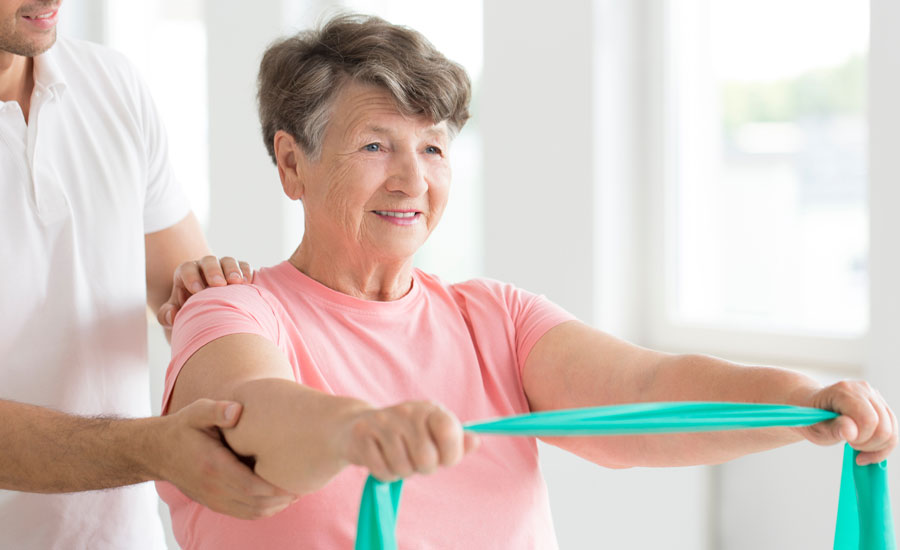
As we age, everyday movement can start to feel more difficult. Standing up, walking safely or keeping balance often takes more effort than it once did.
In a residential care home, these changes affect far more than physical ability, influencing confidence, comfort and how independently a resident can move through their day.
This article explores why physical therapy is important for elderly residents living in care homes and how it is used in daily routines.
Why is Physical Therapy Important for Elderly Residents?
Physical therapy is important for elderly residents because it helps maintain all-important strength, balance and mobility as the body changes with age. That’s why regular, guided movement that supports everyday activities, reduces the risk of falls and helps residents stay independent and confident in their daily routines for longer.
Maintaining Movement As The Body Changes With Age
It’s normal for strength and mobility to drop with age, especially after an illness, a fall or time spent in bed. Leg muscles can weaken quickly and joints can lose range of motion, making day-to-day tasks more effortful.
In a care home, ageing shows up when a resident needs more help getting out of a chair, walks shorter distances due to being out of breath or feeling too stiff, meaning they stop joining activities because moving around feels difficult.
Physical therapy in premium care homes is important because it supports residents’ everyday mobility and can even improve it. A physiotherapist works on the basics that protect independence, like standing safely, turning, stepping, getting in and out of bed and walking with the right support. Even small improvements here can reduce the amount of assistance needed and help a resident stay active in daily life.
It also means physiotherapists can identify changes earlier, before a decline in mobility becomes a greater setback for residents, helping them maintain their physical health in the best possible condition.
Supporting Balance, Strength and Fall Prevention
Did you know that falls in later life often follow a gradual loss of physical ability? Reduced leg strength, changes in balance and slower reactions can make everyday movement uncertain, especially after illness or reduced activity.
In a residential care home, this can lead residents to limit their movement, increasing the risk of further decline.
Physical therapy in care homes will support balance and strength by focusing on how residents move during everyday tasks. Sessions may include work on standing safely, walking with stability, changing direction and maintaining posture. And improving these core movement skills helps reduce fall risk and allows residents to move around the home with greater confidence and security.
Physical Therapy and Independence in Everyday Life
Physical therapy in residential care isn’t about running marathons or lifting weights.
Preserving the small, essential movements that make daily life dignified and self-directed is the goal of any care home physiotherapist.
Three everyday tasks form the foundation of most physical therapy programmes in care homes:
Getting in and out of a chair
Getting in and out of a chair is more complex than it sounds. It requires leg strength, balance, coordination and upper body support. Therapists work on the specific muscle groups and movement patterns needed to stand from sitting without assistance or with minimal help. This might involve exercises to strengthen the quadriceps and glutes, practising weight transfer from sitting to standing or building confidence using armrests effectively. For many residents, being able to stand independently means being able to move to the toilet, walk to the dining room or simply shift position when uncomfortable.
Walking to meals or activities
Walking to meals or activities maintains both physical health and social connection. Therapists assess gait, balance and endurance, then create targeted interventions. This could mean strengthening exercises for weak ankles, balance training to reduce shuffling or building stamina through short, regular walks. The ability to walk even short distances, from bedroom to dining room or to the lounge for an activity, dramatically expands a resident’s world. It’s the difference between participating in life and watching it happen from a chair.
Using the bathroom safely
Using the bathroom safely is perhaps the most important. Falls in bathrooms are common and often serious. Physical therapy focuses on the specific movements required: standing from the toilet, maintaining balance on wet, uneven floors and managing clothing. Therapists work on these precise movements, build the strength needed for them and recommend appropriate aids when necessary. For residents, toilet independence is deeply connected to dignity and self-respect.
The wins of better physical health in older people are concrete and immediate, like being able to get up for a glass of water at night, going for a stroll outside in the fresh air, walking to choose their own seat at lunch, managing personal care without calling for help, to name a few.
These are the outcomes that matter to residents and their families and the preservation of autonomy in the routines that structure each day.
The Emotional and Confidence Benefits of Regular Movement
For many residents, particularly after illness or injury, the psychological impact of regular, supported movement is as valuable as the physical gains.
Rebuilding confidence after a fall
Confidence after a fall is often more limiting than the fall itself. Research consistently shows that fear of falling is one of the strongest predictors of future falls — creating a devastating cycle where anxiety leads to reduced activity, which leads to deconditioning and reduced balance, which increases fall risk.
Key aspects of confidence rebuilding include:
- Breaking the fear cycle: A resident who has fallen may develop a pervasive fear of movement, restricting themselves far beyond what their physical abilities warrant
- Safe, supervised practice: Practising transfers repeatedly in a safe environment, with professional support and appropriate equipment, helps residents learn that movement can be controlled and safe
- Accumulated small wins: Standing without wobbling, taking three steps without support, navigating a doorway confidently — these small, repeated successes accumulate into restored self-belief
Reduced fear of movement in daily activities
When a resident trusts their body again, they engage differently with their environment, changing everyday participation:
- Walking to activities instead of waiting for a wheelchair
- Standing to wash their hands rather than staying seated
- Participating in social events not declining out of anxiety
Studies on exercise interventions in older adults consistently demonstrate improvements not only in physical function but also in self-efficacy, people’s belief in their own capability.
Feeling capable
Physical therapy addresses something fundamental about residential care. Many residents experience a sharp transition from independent living to an environment where others make decisions about their day, their care and their capabilities.
Physical therapy offers a counterbalance by providing:
- Active participation: A structured space where residents work actively on their own goals
- Personal agency: Their effort determines their progress, they’re participants rather than recipients
- Shifted self-perception: The difference between “I need someone to help me stand” and “I’m working on being able to stand independently”
The evidence base for emotional benefits
These benefits require therapists who recognise them as legitimate outcomes, who take time to understand what movement means to each individual resident and who celebrate progress in confidence as readily as progress in strength.
Systematic reviews of exercise interventions in care homes show improvements in quality of life, mood and psychological well-being alongside physical benefits.
The Lasting Value of Physical Therapy in Care
Physical therapy in care homes is fundamental and sustainable, preserving dignity, maintaining independence and supporting quality of life through the everyday movements that matter most.
The evidence is clear. Regular, well-adapted physical therapy helps residents get out of chairs, walk to meals and manage personal care safely. It also reduces fall risk, maintains mobility and slows functional decline. But beyond the measurable outcomes, it offers something equally important — the confidence to move, the capability to participate and the sense of agency that comes from working actively on your own goals.
For families choosing a care home or supporting a relative already in one, physical therapy provision matters.
Ready to explore...