Why Familiar Surroundings Can Make A Difference In Later Life
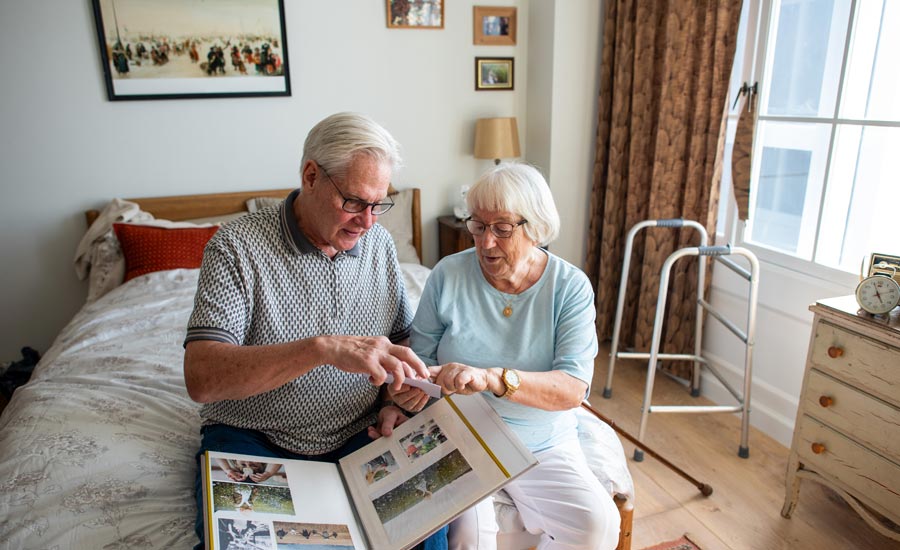
Growing older often brings changes that are difficult to predict. This is why the environment becomes increasingly important in later life.
For older adults living in a care home, familiar surroundings can make daily life much easier to navigate. They can encourage independence, reduce unnecessary stress and help residents feel more at home from the moment they move in.
Does The Environment Affect Well-being In A Care Home?
Care homes can influence a resident’s mental health and overall well-being in several ways. A home that’s easy to navigate, supports routines and allows residents to personalise their space can reduce confusion, encourage independence and make daily life run more smoothly. For a resident living with dementia, these factors are particularly important to help with memory loss and the distress it can cause.
Keeping Residents Grounded
For older adults who have spent decades living in the same place, moving into a care home means learning a completely new environment.
If corridors all look the same, signs are difficult to read or communal rooms are hard to find, even simple tasks will become frustrating. In other words, walking to the dining room or returning to their bedroom shouldn’t feel like solving a puzzle, which can cause despair when things change too fast for older adults.
Many modern care homes use clear signs everywhere, distinctive features and straightforward layouts because they make the building easier to understand for new residents.
For residents living with dementia, that can reduce confusion throughout the day.
How Personal Belongings Create Familiarity In Care Homes
A furnished bedroom in residential care starts to feel more personal once it includes belongings a resident has lived with for years in their previous home. Familiar items can also make it easier for relatives, visitors and care staff to start conversations about family, hobbies and important memories during visits.
Common examples include:
- A favourite chair that’s comfortable and homely
- Family photographs.
- Books that have been read for years.
- A bedside lamp from home.
- Treasured ornaments and trinkets collected on holidays.
- Gifts from grandchildren
- Artwork
- Rugs
- Tablecloths
- Furnishings like decorative cushions and vases
The Best Care Home Routine For Your Loved One
When your loved one moves into residential care, not everything has to change, which is something they might worry about before the move.
If your loved one always enjoys a cup of tea before breakfast, prefers reading in the afternoon or likes watching a particular television programme each evening, keeping those habits where possible can make the transition easier.
Keeping routines consistent also lets residents know what to expect during the day, which is particularly valuable for residents living with dementia, who may find unexpected changes more difficult to manage.
One Thing Families Rarely Notice During A Viewing
When visiting a care home, it’s easy to look at the decor and think that if the place looks nice, then it will work for your loved one.
Instead, spend a few minutes watching how residents use the space.
- Are residents confidently finding their way around?
- Are communal areas being used or sitting empty?
- Does the dining room feel calm at mealtimes?
- Are residents choosing to spend time in the garden?
- Do staff naturally interact with residents throughout the home?
- Are there plenty of comfortable places for residents to sit together or enjoy some quiet time alone?
- Do corridors feel clear and easy to navigate or cluttered and confusing?
- Can residents personalise their bedrooms with furniture, photographs and other belongings from home?
- Is there enough natural light throughout the home?
- Are lounges arranged to encourage conversation or is everyone facing the telly?
- Do residents appear relaxed and engaged or are most sitting without interaction?
- Is the home noticeably noisy – or does it feel calm and comfortable?
Outdoor Spaces In Care Homes
There are many benefits of older adults spending time outside.
So access to a secure garden should be a non-negotiable, as it gives residents another place to spend their day.
Some residents enjoy gardening. Others prefer sitting outside with visiting relatives or taking a short walk after lunch. No matter what a resident likes to do outdoors, fresh air, seasonal changes and spending time outdoors all add variety to the day without them needing to leave the home.
Even residents who don’t spend long outside often benefit from having somewhere peaceful to go when the weather allows.
The Environment Should Support Daily Life
Every care home will have its own appearance – and good design leaves a strong first impression.
But more importantly, the environment should make everyday life easier for residents. That means bedrooms that feel personal, shared spaces that residents actually want to use and a layout where they can move around with confidence.
When you’re comparing care homes, try to look past how the building looks. Think about how your loved one would use it every day because that’s where the right choice becomes apparent.
Ready to explore...