Why a Smaller Care Home Can Offer a More Personal Experience
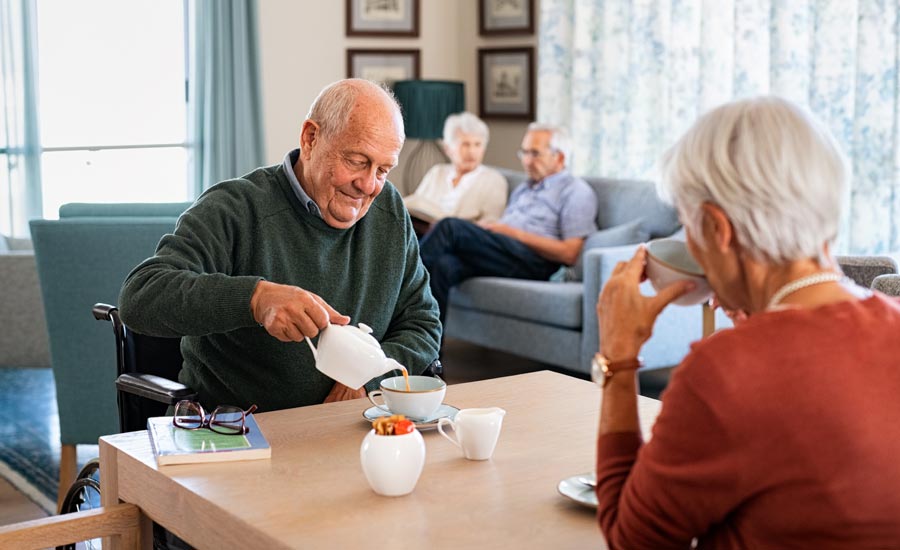
While larger homes provide excellent care for many residents, smaller care homes are the best choice for a more personal, premium experience. With fewer residents and a close-knit team, it can be easier for staff to build meaningful relationships and get to know each person beyond their care plan.
From stronger relationships to a calmer environment, there are several reasons why families choose smaller residential care homes for their loved ones.
Is a Smaller Care Home Better for Personalised Care?
For many people, yes. With fewer residents to support, smaller care homes often have more opportunity to get to know each resident personally, outside of their care plan. This helps residents feel more at home while giving families confidence that their loved one is known by the people caring for them.
Small Care Home Benefits in More Detail:
Smaller care homes often share qualities that can positively impact their residents and their families. Here are some of the reasons many people prefer moving into a smaller care home with a boutique setting:
Carers Know Residents as Individuals
No two residents are ever the same, which is why care homes should offer bespoke care to each individual based on factors such as health, dietary needs, preferred routines, cultural choices and anything that supports independence and individuality.
In small care homes, carers have more time to spend with the same residents, allowing them to better understand the little details that make daily life run smoothly.
Not only that, but small homes value a close-knit team and retain staff for many years, never resorting to agency staff to manage the high workload.
Over time, they learn what makes each resident laugh, as well as what helps them feel comfortable, to truly make a difference to their everyday lives.
It’s Easier to Settle In
The stresses of adjusting to a completely different way of life, with new surroundings, different routines and lots of unfamiliar faces, are lessened in a smaller environment, making the transition feel less overwhelming.
With fewer residents and a consistent team of carers, residents become familiar with their new surroundings more quickly, making those first few weeks feel less daunting.
Familiar Faces Become Part of Everyday Life
One of the biggest advantages of a smaller care home is familiarity.
With fewer residents and a consistent team of carers, people are more likely to see the same faces each day. That means it’s easier to ask for help, removing some of the uncertainty that naturally comes with moving into a new environment.
It also gives carers the chance to notice changes more quickly, such as when a resident seems quieter than usual, is not eating as well or has gone off an activity they normally enjoy. And more importantly, changes to their health. Changes like these are easier to recognise when staff know what is normal for that particular resident and they can do this when they aren’t overwhelmed with too many people to care for.
Smaller Homes Can Be Easier to Move Around
New residents tend to feel overwhelmed with getting their bearings in an unknown environment, especially when every corridor, lounge and dining room is unfamiliar.
But in a small care home, residents have less distance to walk and fewer communal areas to remember. Finding their bedroom, joining activities or visiting shared spaces isn’t as stressful as learning to navigate a large facility, particularly during the first few weeks.
For people living with dementia or memory loss, a simpler layout reduces confusion and builds confidence as they become familiar with their surroundings.
Making Friends Feels More Natural
Moving into a care home means becoming part of a new community. And it can take time to form new connections with fellow residents and staff.
But when living in a smaller residential care home, socialising is easier because residents often see the same people throughout their day, whether they’re sat together over lunch, joining an activity, pottering in the garden or relaxing in a communal lounge. It’s these regular interactions that help residents become familiar with one another, making conversations flow naturally, allowing friendships to develop at their own pace.
For many residents, having a smaller group of people around them can make socialising feel more comfortable and less intimidating than joining a much larger community.
Residents Can Have More Choice in Everyday Life
Contrary to popular belief, moving into a care home doesn’t mean giving up the routines that have been part of everyday life for years.
In fact, choosing a smaller care home makes it even easier to accommodate individual preferences. That might mean choosing how to spend the afternoon and what to eat from a bespoke menu, as well as deciding whether to join an activity or enjoy a quieter time in a favourite spot around the home.
Having that flexibility lets residents maintain as much independence as possible and continue living in ways that feel right to them.
While care needs will always come first, having choices throughout the day can make a real difference to a resident’s comfort and quality of life.
Visits Can Feel More Relaxed
Spending time with loved ones is an important part of life in a care home, whether it’s a quiet catch-up over a cup of tea or an afternoon with the grandchildren.
When living in a boutique care home, you get a more relaxed setting for visits. With fewer residents, families may find it easier to enjoy quality time together without the background noise and bustle that can come with a larger environment, especially when bringing the grandchildren for a visit.
If the home welcomes well-behaved pets, visits can feel even more special. For many residents, seeing a familiar dog or cat can brighten their day, encourage conversation and create moments that feel reassuringly normal.
Finding the Right Care Home for Your Loved One
The size of a care home is only one part of the decision, but it can have a big influence on their everyday life.
For many families, a smaller care home offers the personal touches that matter most.
Familiar faces, greater flexibility, a welcoming atmosphere and the opportunity to build lasting relationships can all help residents feel comfortable in their new surroundings.
When you’re comparing care homes, take the time to visit in person. Talk to the team, look at factors outside of the facilities and imagine what day-to-day life would feel like for your loved one. The right home should feel like somewhere they can be happy, well cared for and always respected and treated as an individual.
Ready to explore...