How Care Homes Adapt to Residents’ Changing Interests Over Time
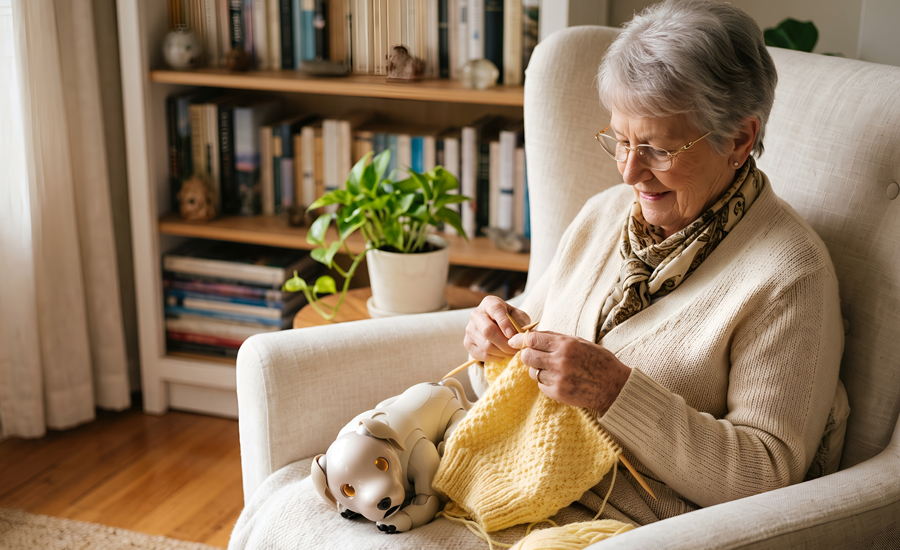
When you think about the hobbies you enjoyed ten or twenty years ago, do you still spend your free time doing the same things? Or have your interests changed?
The same is true for older adults living in care homes. A resident who has always enjoyed gardening might discover a love of painting after trying an art session. Their interests can also change as they get older, particularly if health or mobility difficulties affect the hobbies they used to enjoy.
Care homes take these changes into account when planning activities. But how do staff find out what residents want to do and what happens when their interests change?
This article looks at how care homes approach changing interests and what it means for your loved one’s day-to-day life.
Can Care Home Activities Be Personalised?
Yes, care homes personalise activities to meet each resident’s interests, preferences and abilities. Activity coordinators and care staff learn about residents’ hobbies and personal histories through conversations with them and their families. They can then offer suitable activities on the calendar, such as adapting gardening for someone with limited mobility or arranging individual music sessions for a resident who finds group activities overwhelming. Regular reviews allow activities to change as residents develop new interests or their care needs evolve.
How Care Homes Get to Know Residents’ Interests
One of the first things care staff want to find out when a new resident arrives is what they enjoy doing.
Have they always been a keen gardener? Do they enjoy a good quiz? Perhaps they’ve mentioned wanting to learn something new but never had the chance.
Answers to these questions give staff a starting point for planning personalised activities, although it often takes time to get to know what a resident really enjoys.
Families have an important part to play here, too. You probably know which hobbies your loved one has enjoyed over the years, including the little details they might not think to mention themselves. For example, they might have stopped knitting because their eyesight deteriorated, but still enjoy choosing colours and helping with craft projects.
Carers will also pick up on interests during natural everyday conversations.
And sometimes, the best way to find out what a resident enjoys is to see what catches their interest. If they regularly stop to watch an art class or ask questions about a gardening project, staff can invite them to join in.
The more staff learn about a resident’s interests, the easier it is to suggest activities they’ll actually look forward to every day, which supports a much better quality of life in a care home.
Adapting Care Home Activities as Residents’ Needs Change
Your loved one might still love a hobby they’ve enjoyed for decades but find certain parts harder than before because of conditions like arthritis and macular degeneration/cataracts.
Before giving up an activity, carers look at whether a few adjustments would make it easier to continue.
Here are some ways care homes can adapt familiar hobbies:
- Gardening – Raised planters and lightweight tools with larger handles allow residents to carry on planting flowers or tending to herbs without having to kneel or bend down.
- Reading – Large-print books, magnifiers and audiobooks give residents with deteriorating eyesight more ways to enjoy their favourite authors.
- Arts and crafts – Larger paintbrushes, easy-grip pens and pre-cut materials make creative activities easier for residents with arthritis or reduced hand strength.
- Baking – Residents who find standing for long periods difficult can help prepare ingredients or decorate cakes while seated at a suitable table.
- Music – Favourite songs, singalongs and simple percussion instruments give residents opportunities to enjoy music even when playing an instrument has become difficult.
- Games and puzzles – Large-print playing cards, oversized puzzle pieces and adapted board games can make activities easier for residents with visual or dexterity difficulties.
It’s also important to ask residents whether they’re happy with the changes. Someone who has spent years enjoying a particular hobby might have their own ideas about how they’d like to continue it. Giving residents these choices is an important part of maintaining independence and dignity in care homes. It allows them to continue doing things for themselves wherever possible and ensures their personal preferences are respected as their needs change
Encouraging Care Home Residents to Explore New Interests
Moving into a care home gives residents opportunities to try hobbies they might never have had the chance to do before.
Here are a few ways activity coordinators can introduce new interests to residents:
Taster sessions
Residents can try activities before committing, such as pottery, watercolour painting or flower arranging, without signing up for regular sessions.
A trial gives them a chance to see whether they enjoy something before it becomes part of their weekly routine and also a chance to meet new people.
Resident suggestions
Activity coordinators can ask residents what they’d like to try next. If several residents want to learn a particular craft or start a book club, staff can add it to the activities calendar.
Residents should also feel comfortable deciding that an activity isn’t for them. Their preferences can change over time, so regular conversations about what they’ve enjoyed are just as important as introducing new options.
Visits from local groups
Inviting volunteers, like musicians, artists or community organisations into the care home gives residents access to activities that aren’t always available through the regular programme.
Resident-led activities
A resident who enjoys chess or knitting could offer to teach others. Sharing their knowledge gives them an opportunity to continue practising their hobby and introduces fellow residents to something new.
Helping Your Loved One Enjoy Their Life in a Care Home
When you’re going about choosing a care home for your loved one, ask how residents contribute to the activities calendar and what happens if they want to continue a hobby that isn’t currently offered.
Remember to share details about their interests with care staff.
As your loved one settles in, take an interest in the activities they’ve been trying during your visits. You might find they’ve discovered a new hobby or returned to something they haven’t enjoyed for years, giving them a new lease on life.
Having the freedom to explore different interests gives residents more choice in how they spend their days and something enjoyable to wake up to every day.
Ready to explore...