Why Life Stories Play an Important Role in Residential Care
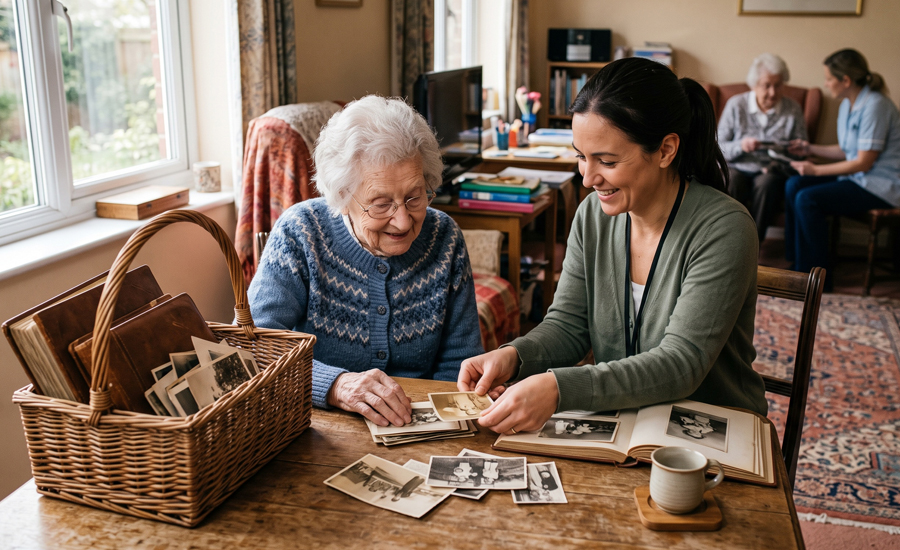
Every resident has a lifetime of experiences, with memories and interests that make them who they are and when care home staff get to know these details, it can make a real difference to the care they receive.
In this article, we explore why life stories matter in residential care and how they can help staff build stronger relationships with residents and support their individual needs.
Why Should Care Homes Ask About a Resident’s Life Story?
Learning about a resident’s life story allows care staff to really know them as an individual and understand what’s important to them. Knowing about their past experiences and the routines they’ve followed for years can help staff make everyday care feel more familiar, including when a resident has difficulty explaining what they want or need.
What Residents’ Life Stories Tells Care Staff
A care assessment provides important information about a resident’s health and support needs, but it doesn’t always reveal much about their personality or how they’ve spent their life. These details can also be included in a resident’s care plan, giving staff a useful reference as they get to know them.
Getting to know their background can help staff understand what residents enjoy and how they prefer to go about their day.
Smaller care homes also provide more personalised experiences and lifestyles.
Some of the most useful details include:
- Previous careers – A resident who worked as a teacher might still enjoy reading with others or taking part in discussions.
- Hobbies and interests – Knowing that a resident enjoys gardening, music or a particular sport helps staff suggest activities they’ll want to join.
- Daily habits –A resident might prefer an early breakfast, enjoy reading before bed or have a particular way of getting ready in the morning.
- Family relationships – Understanding who is important to a resident can help staff encourage regular contact and include loved ones in their care where appropriate.
- Personal experiences – Important events and traditions, as well as personal achievements, can help staff understand a resident’s values and what they feel strongly about.
How a Resident’s Background Improves Everyday Care
When a resident opens up about their past, it can help care staff understand why certain routines are important to them and allow them to find ways to keep their favourite activities part of everyday life.
For example, a resident who spent years cooking for their family might still enjoy helping to prepare vegetables or having a say in the weekly menu. Being involved in these familiar tasks can give them a sense of purpose and let them keep using skills they’ve developed over many years.
Here are other ways life stories can influence the care residents receive:
Respecting Long-Established Routines
Your loved one might have spent 40 years getting up at sunrise for work and still prefer an early start. Knowing this helps staff arrange morning care around their usual routine, including when they like to get dressed or have breakfast.
These preferences can become particularly important when residents need more assistance with everyday tasks, as keeping familiar routines can help them feel more comfortable, maintaining dignity and independence.
Making Personal Care More Comfortable
Personal care can feel uncomfortable for residents who have always been very independent or private.
If staff know that your loved one values their privacy, they can take extra care to explain what they’re doing, allow enough time for them to respond and encourage them to manage the parts of washing or dressing they’re still able to do independently.
Recognising What Might Cause Distress
A resident’s life story can also help staff understand reactions that might otherwise seem unexpected.
For example, a resident who previously worked night shifts might have an established sleeping pattern that differs from the usual care home routine. Understanding their history gives staff useful information when discussing changes to their sleep or daily activities.
These details are particularly valuable when residents find it difficult to explain their preferences, allowing staff to respond with a better understanding of their individual needs.
How Can Families Contribute to a Resident’s Life Story?
Relatives often help care staff build a fuller picture of their loved one’s life by sharing information that might otherwise be overlooked. This often happens before their loved one moves into the care home, as staff start to create the best care plan for them.
Family members can include photographs, stories about family holidays, favourite meals or details about important relationships. It’s also helpful to mention any routines or experiences that your loved one finds comforting or upsetting.
However, a resident’s life story doesn’t need to be written all at once because carers will continue learning about residents through everyday conversations and add relevant details over time.
Residents should also be involved in deciding what they want to share, with their privacy and personal preferences respected throughout.
Care Home Residents Should Feel Known and Understood
Taking an interest in a resident’s life before they moved into the care home helps care staff understand the experiences and preferences that influence their everyday lives.
Having this knowledge about your loved one ensures they take part in more meaninful conversations that make them feel good rather than name on a care plan. It also helps residents continue their familiar activities and gives them greater choice over how they spend their time.
For residents who find it difficult to communicate their needs, having staff who truly understand their background can be particularly reassuring and help them feel more comfortable settling into their new surroundings.
Ready to explore...